Check the latest industry findings
Taking Stock of AI Advancements in Oncology: Present and Future
Taking Stock of AI Advancements in Oncology: Present and Future
Taking Stock of AI Advancements in Oncology: Present and Future
Artificial intelligence is increasingly being integrated into oncology, with applications ranging from diagnostic imaging and pathology to treatment planning and clinical decision support. Current developments focus on improving accuracy, streamlining workflows, and enabling more personalized approaches to cancer care.
AI Helps Doctors Spot Breast Cancer in Scans: World-First Trial
Taking Stock of AI Advancements in Oncology: Present and Future
Taking Stock of AI Advancements in Oncology: Present and Future

A world-first clinical trial has demonstrated how artificial intelligence can assist doctors in identifying breast cancer in screening scans with greater efficiency. The study explored how AI systems can analyze mammograms to flag potential abnormalities, supporting radiologists in the diagnostic process.
Experts Forecast Cancer Research and Treatment Advances in 2026
Taking Stock of AI Advancements in Oncology: Present and Future
Extra Cancer Screening Could Help Detect Early Cases in Dense Breasts
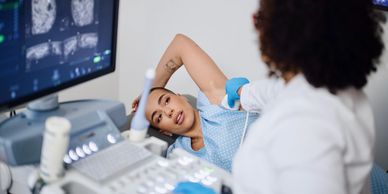
Leading oncology experts anticipate significant progress in cancer research and patient care in 2026, with advances spanning precision medicine, immunotherapy, early detection technologies, and data-driven treatment strategies.
Extra Cancer Screening Could Help Detect Early Cases in Dense Breasts
Extra Cancer Screening Could Help Detect Early Cases in Dense Breasts

Additional screening methods may improve early detection of breast cancer in individuals with dense breast tissue, where standard mammograms can be less effective. Researchers are examining whether supplementary imaging techniques can identify tumors at earlier stages and reduce the risk of missed diagnoses.
AI May Improve Early Detection of Breast Cancer, UCLA Study Finds
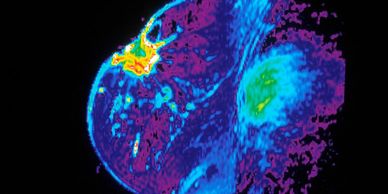
A new study led by investigators at the UCLA Health Jonsson Comprehensive Cancer Center suggests that artificial intelligence tools may enhance the early detection of breast cancer through advanced imaging analysis. The research evaluated how AI-assisted systems can identify subtle patterns in scans that may not be immediately visible to the human eye.
Artificial Intelligence Improves Breast Cancer Diagnosis

Advances in artificial intelligence are enhancing the accuracy and efficiency of breast cancer diagnosis by assisting clinicians in interpreting medical imaging and identifying subtle abnormalities. AI-driven tools are being integrated into diagnostic workflows to support radiologists in detecting cancers earlier and reducing false positives or missed cases.